
William
Ostrander
Genre Character Actor & 1980s Antagonist Specialist

Current Studio
Independent
Primary Discipline
Acting
Region
North America
Status
Iconic John Carpenter Villain
Follow
This talent's management hasn't yet listed on Taleventry. Use the contact button to reach them directly, or register your agency to claim this profile.
Booking Intelligence
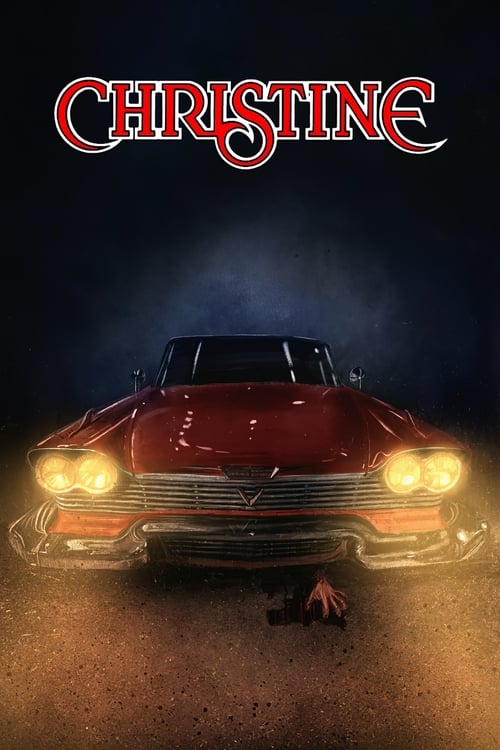
Christine (1983) is currently streaming on Netflix in several regions, sparking a rewatch cycle among horror fans.
Known For
Buddy Repperton
Christine
His menacing turn as the primary human villain provides the necessary stakes for the supernatural car story; fans identify with the gritty authenticity he brought to the school bully trope and frequently bring car parts or model kits to conventions for him to sign.
Larn
Fire and Ice
The physical realism he brought to the rotoscoped hero makes him a legend among animation collectors and Frank Frazetta enthusiasts; fans appreciate the connection to this unique era of adult fantasy cinema.
Why Book William Ostrander
The Stephen King and John Carpenter fandoms converge on William Ostrander for his role as one of horror's most recognizable human villains. Fans of 80s genre cinema show up to meet the man behind Buddy Repperton because he represents a specific era of practical effects and grit. The recent 40th-anniversary window for Christine and his 2026 project Anomaly provide the perfect dateable trigger for a legacy booking.
Convention Experience
No confirmed convention appearances found.
Fan Engagement
Not yet verified.
Recent Work
Anomaly
2026This feature film marks a return to significant genre roles and provides fresh promotional material for current convention cycles.
William — Biography
William Ostrander is an American actor best known for portraying Buddy Repperton in the 1983 John Carpenter classic Christine. His performance as the switchblade-wielding high school bully remains a cornerstone of 1980s horror cinema. Beyond the leather jacket, Ostrander provided the voice and physical reference for Larn and Taro in the cult animated fantasy Fire and Ice, directed by Ralph Bakshi and illustrated by Frank Frazetta. His career moved into television throughout the late 1980s and 1990s, where he appeared in major productions like North and South and Knots Landing. He later appear…
Live Appearances
William on the Circuit
William Ostrander is confirmed for 1 upcoming appearance. Check dates and locations below for photo opportunities, signings, and panel appearances.
Convention Circuit
ScareFest Weekend 18 (2026)
Lexington (KY), USA

Community Verdict
Seen William Ostrander Live?
Rate the guest experience from 1 to 10. If you leave a comment, it can appear publicly in the User Feedback section.
Scores stay hidden until at least 3 ratings are submitted.
Checking sign-in status...
Career Acts & Milestones
1983–1985
The Genre Archetype
He establishes a career foundation by playing physically imposing figures in high-concept genre films. He risks being typecast as a villain to secure a place in film history alongside John Carpenter. This period proves his ability to hold the screen against iconic practical effects.
"Playing Buddy Repperton was about finding the humanity in a person who was purely destructive."

1985–2001
Network Transition
He shifts from film villains to television character work in soap operas and period dramas. He builds a resume of professional consistency across different genres from Knots Landing to Angel. This era proves his versatility beyond the 1980s bad-boy image.

2018–Present
The Legacy Rebirth
He returns to acting after a hiatus to engage with independent cinema and fan-driven legacy projects. He is building a bridge between his classic roles and a new era of horror fandom. This period proves the lasting power of his early 80s work.
Craft & Expertise
Antagonistic Physicality
Ostrander mastered the art of screen intimidation through stance and silence in Christine. He uses his height and sharp features to command the frame without relying on dialogue.
Rotoscoping Performance
He provided the physical basis for the animation in Fire and Ice, a complex technical skill. This required precise movement that could be traced by animators to create realistic fantasy action.
Period Character Work
His roles in North and South show an ability to adapt to historical drama settings. He handles the formal speech and rigid posture required for nineteenth-century narratives effectively.
Niche Voice Acting
In Fire and Ice, he voiced dual characters to help differentiate the heroic and royal figures. This shows a vocal range that complements his physical presence in live-action roles.
The Registry
Total Credits
12
Career Span
1979-2001
Peak Decade
1980s
Peak Credits
6 titles
By Decade
By Role
By Genre
Highest rated credit: Angel (1999) — 7.9/10
Complete Filmography — William
Mulholland Drive
2001
Angel
1999
Profiler
1996

Touched by an Angel
1994

Red Heat
1985
North and South
1985
Mike's Murder
1984
Stryker
1983
Christine
1983

Fire and Ice
1983
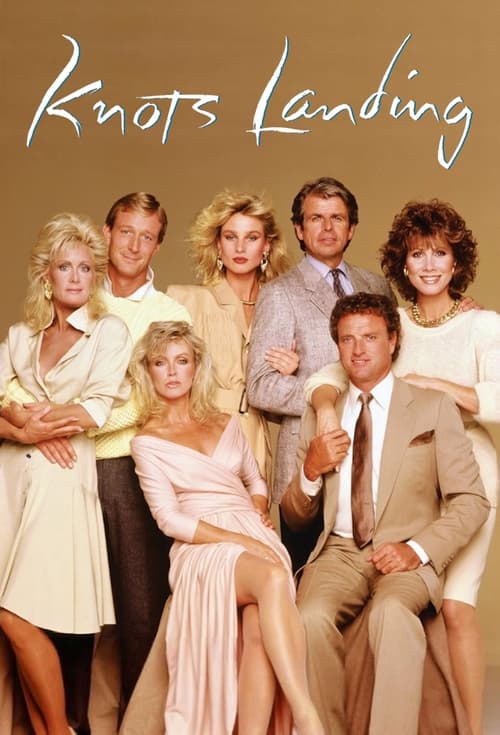
Knots Landing
1979
Faery
Filming Locations
Los Angeles
United States
Productions
Primary production base for 80s and 90s work.
Editorial & Reference
William Ostrander: The Man Who Played Buddy Repperton in Christine
The screen presence of William Ostrander is defined by a specific type of mid-century American menace. While the script for Christine frames Buddy Repperton as a straightforward bully, Ostrander gives the character a desperate, volatile edge. A serious student of his work sees a performer who understands the geography of the frame. He moves with a deliberate speed that suggests violence is always a second away.
In Fire and Ice, he provides a similar physical weight to an animated character. His work with Ralph Bakshi shows a commitment to the craft that goes beyond simple voice acting. He creates the physical vocabulary for the character of Larn, proving that his performance style is as much about movement as it is about dialogue. This through-line of physical performance makes him a consistent asset to genre directors.
The switchblade flicked open in a dark high school hallway and defined a decade of cinematic bullying. It is a moment of pure tension that relies on the physical presence of the actor holding the knife. Audiences in 1983 saw more than a caricature of teenage rage. They saw a volatile energy that made the supernatural threat of a possessed car feel grounded in real-world danger. This role established a template for the American high school antagonist that many have tried to replicate but few have matched. The performance is not just about the leather jacket or the car. It is about a specific look of disdain that remains recognizable to genre fans forty years after the film premiered.
Working with John Carpenter and Stephen King simultaneously is a rare achievement for any genre performer. The film Christine became a cult classic because it balanced the impossible with the mundane. While the titular car handled the spectacle, the human characters provided the emotional weight. The conflict between the protagonist and the bullies creates the friction that drives the plot forward. Fans of the film often cite the library scene and the final showdown as highlights of the era. These moments work because the audience genuinely believes in the threat posed by the antagonist. The lasting legacy of the film ensures a steady stream of new viewers who discover the work through streaming platforms and boutique home media releases.
Beyond the horror genre, the career of the performer includes a significant contribution to the world of adult animation. The film Fire and Ice is a technical marvel that used rotoscoping to bring the art of Frank Frazetta to life. Providing the physical reference for the hero required a disciplined approach to movement. Every jump and fight sequence had to be performed with a weight that animators could translate into ink. This role as Larn allowed for a different type of heroism compared to the villainous turns in live-action. It remains a point of deep interest for collectors of cult animation and fantasy art. The combination of voice work and physical performance shows a depth of craft that is often overlooked in favor of bigger credits.
Convention promoters find a unique value in actors who represent these specific genre intersections. The fan base for John Carpenter films is famously dedicated and global. These fans do not just want to see a movie; they want to hear about the practical effects and the culture of the 1980s sets. When a performer from this era appears in person, it bridges the gap between digital nostalgia and physical history. Attendees often bring vintage posters or die-cast models of the 1958 Plymouth Fury for signing. The encounter is not just a transaction but a way for the fan to connect with a specific moment in cinema history that cannot be replicated. The presence of a classic villain provides a focal point for panels and group photos that celebrate the horror genre.
The current industry landscape is seeing a massive resurgence in 80s nostalgia. This is not just about fashion but about the stories and characters that shaped modern pop culture. With Christine currently available on major streaming services, a new generation is discovering the film alongside their parents. This dual-generational appeal is a powerful tool for event planners. New projects like the film Anomaly show that the performer is still actively contributing to the genre. This continued activity prevents the 'legacy' label from feeling like a retirement. Instead, it frames the performer as a seasoned expert who understands the evolving tastes of the horror and fantasy audience.
A personal thread that connects these roles is a dedication to the physicality of acting. Whether it is the rigid posture of a Civil War soldier in North and South or the loose, threatening gait of a bully, the work is always grounded in the body. This is a hallmark of an actor who learned their craft on sets where every movement mattered for the camera. Fans who follow the career through guest spots on shows like Angel see a professional who treats every role with the same level of focus. This consistency is what builds long-term respect in the industry. It ensures that the performer is remembered for the quality of the work rather than just the size of the production.
Meeting William Ostrander in person offers fans a look behind the curtain of some of the most influential genre films ever made. The shift from the menacing persona of Buddy Repperton to the reality of a professional actor is part of the appeal. It allows the audience to appreciate the art of the performance. For a promoter, booking a figure from the Carpenter or Bakshi universes provides a guaranteed draw for a specific, high-spending demographic. The fact that the work remains a topic of discussion in film schools and on horror forums proves its permanence. He remains a vital link to a time when genre films were built on grit and physical presence.
Frequently Asked
6 questions answered
Related Talent
Matched by Connie across fandoms, genres & era