
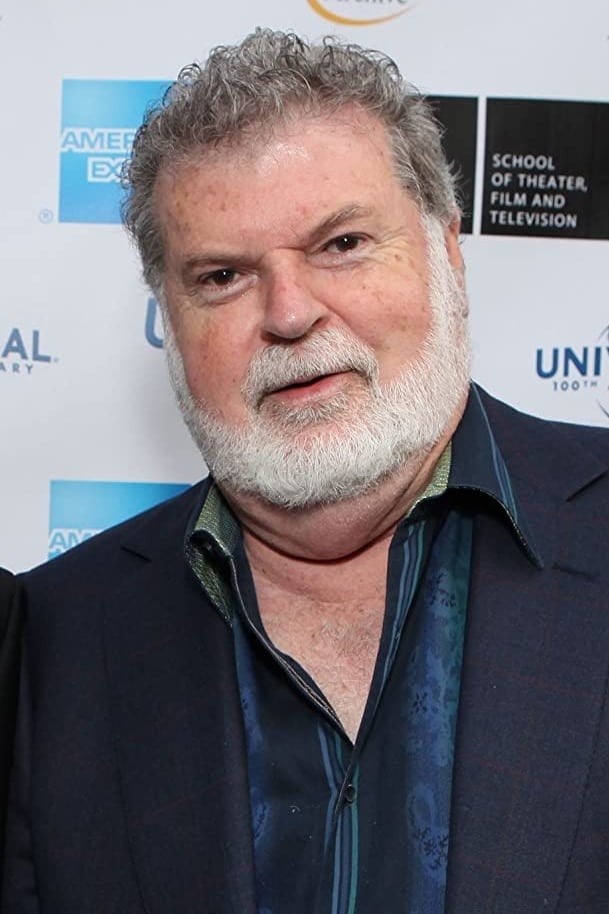
Dean
Cundey
Cinematographic Visionary & Visual Effects Pioneer
Current Studio
Lucasfilm
Primary Discipline
Cinematography
Region
North America
Status
ASC Lifetime Achievement Award Winner
Follow
This talent's management hasn't yet listed on Taleventry. Use the contact button to reach them directly, or register your agency to claim this profile.
Booking Intelligence
The Mandalorian is currently streaming on Disney+, connecting his legacy to the modern Star Wars audience.
Known For
Cinematographer
Halloween
The blue-tinted shadows he created for the character of Michael Myers gave the film a dreamlike quality that fans identify as the essential look of the slasher genre.
Cinematographer
The Thing
His use of high-contrast lighting to hide and reveal the creature created a sense of paranoia that fuels the active rewatch culture and convention discussions today.
Cinematographer
Jurassic Park
He established a visual realism that made the digital dinosaurs feel physically present, a feat that still draws massive crowds to anniversary screenings.
Cinematographer
The Mandalorian
His work on the series proved that he could translate his classic style to modern Star Wars, earning him a new generation of fans who value technical craft.
Why Book Dean Cundey
Dean Cundey is the ultimate draw for fans who value the technical artistry behind the world's most famous horror and sci-fi franchises. He offers a unique signing opportunity for collectors who want their Jurassic Park or Halloween posters signed by the man who created their visual identity. With the upcoming release of The Thing Expanded in 2026, he is a primary target for anniversary-themed programming and high-end technical panels.
Convention Experience
Fan Engagement
He is highly regarded for his detailed technical explanations during panels and his willingness to engage with the specific questions of film students and collectors.
Recent Work
The Thing Expanded
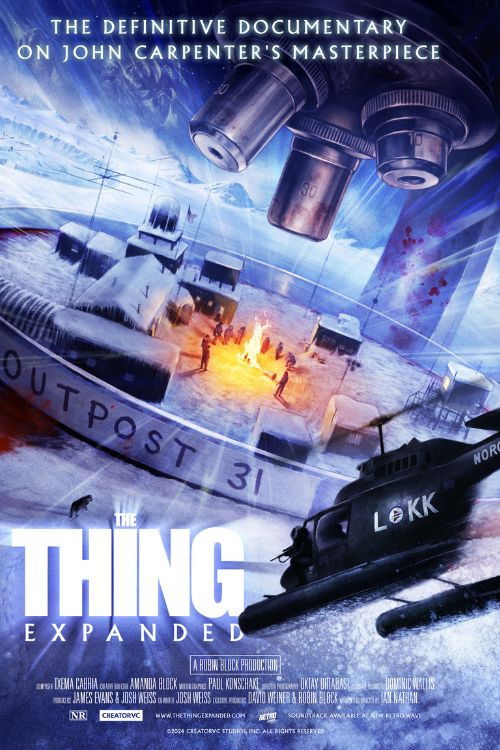
2026This project celebrates the legacy of one of the most popular horror films ever made, driving fresh interest in his career.
Dean — Biography
Dean Cundey is a foundational figure in modern cinema. He is the visual architect behind some of the most influential films of the last fifty years. His career began in low-budget genre films where he developed a signature style of high-contrast lighting and fluid camera movement. This technical discipline eventually caught the attention of major directors including John Carpenter, Steven Spielberg, and Robert Zemeckis. He earned an Academy Award nomination for his work on Who Framed Roger Rabbit. His ability to blend physical sets with emerging digital and practical effects defined the look…
Live Appearances
Dean on the Circuit
Dean Cundey is confirmed for 1 upcoming appearance. Check dates and locations below for photo opportunities, signings, and panel appearances.
Convention Circuit
Fan Expo Chicago (2026)
Chicago, USA

Fandom Temperature
Updated Apr 2026
Dean Cundey maintains a stable temperature band, primarily driven by strong organic demand across dedicated fan platforms and a notable uptick in digital encyclopaedic interest. Given his consistent presence in the convention circuit, organisers can anticipate reliable engagement from enthusiast audiences seeking to connect with the high-calibre legacy of their favourite cinematic works.
Fan Demand (Reddit · Convention · Web)
6.0
YouTube Fan Content
0.5
Appearance Velocity
3.0
Wikipedia Readers
2.5
4 scored signals · 6 raw data sources
Wikipedia monthly readers, YouTube fan content, fan demand (Reddit activity, convention searches, fan community web presence), and appearance velocity. Fan demand is a composite of 3 public sources scored together. Guest ratings will be added once this profile reaches 20 verified reviews.
Community Verdict
Seen Dean Cundey Live?
Rate the guest experience from 1 to 10. If you leave a comment, it can appear publicly in the User Feedback section.
Scores stay hidden until at least 3 ratings are submitted.
Checking sign-in status...
Career Acts & Milestones

1976–1982
The Shadow Architect
He spent these years perfecting the art of the low-budget thriller alongside John Carpenter. He risked using minimal lighting to create a sense of mystery that changed how horror looked. This period proved that technical limitations could be used to build a stronger emotional response in the viewer.
"We used light to show the audience only what we wanted them to see."

1983–1993
The Blockbuster Vanguard
During this era, he partnered with Spielberg and Zemeckis to define the visual language of the modern summer movie. He risked the integrity of his craft to experiment with complex visual effects integration. He proved that high-tech films could still possess a distinct, warm, and cinematic aesthetic.
2019–2026
The Digital Transition
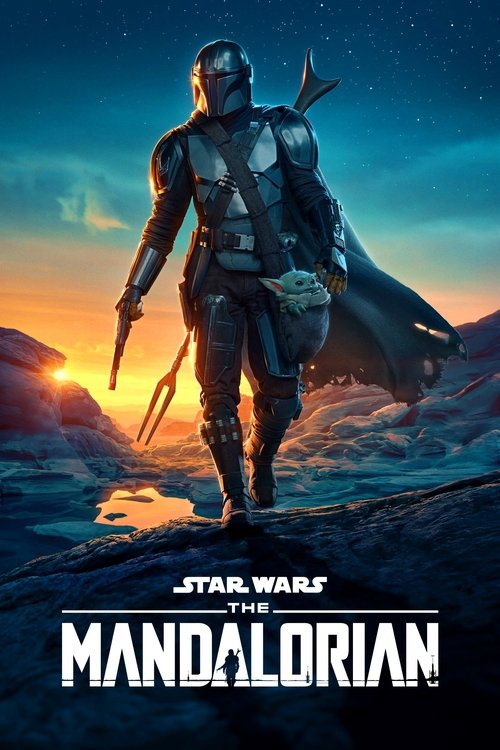
He returned to the forefront of the industry by mastering virtual production for the Star Wars franchise. He used his knowledge of traditional lighting to solve the artificiality of digital backgrounds. This phase proves his career is not just about nostalgia, but about ongoing technical leadership.
Industry Recognition
American Society of Cinematographers
Lifetime Achievement Award
ASC Awards
Lifetime Achievement Award
Academy Awards
Best Cinematography
Who Framed Roger Rabbit
Craft & Expertise
Low-Light Atmosphere
He mastered the use of deep shadows and blue-tinted moonlight to create tension in early slasher films. This technique defined the visual identity of the horror genre throughout the 1980s.
VFX Integration
His lighting strategies allowed hand-drawn animation and early CGI to coexist with live-action actors seamlessly. He solved the lighting challenges that made Who Framed Roger Rabbit and Jurassic Park feel grounded.
Panaglide Operation
He was an early adopter of the Panaglide system to create smooth, voyeuristic moving shots. This helped create the iconic third-person perspective used to build dread in films like Halloween.
Virtual Production
He adapted traditional lighting principles to the StageCraft LED volume used for The Mandalorian. This bridged the gap between classic Hollywood craft and the future of digital environments.
The Registry
Total Credits
112
Career Span
1969-2026
Peak Decade
2010s
Peak Credits
27 titles
By Decade
By Role
By Genre
Highest rated credit: The Mandalorian (2019) — 8.4/10 · Director of Photography
Complete Filmography — Dean
The Thing Expanded
2026
Why Dinosaurs?
2025
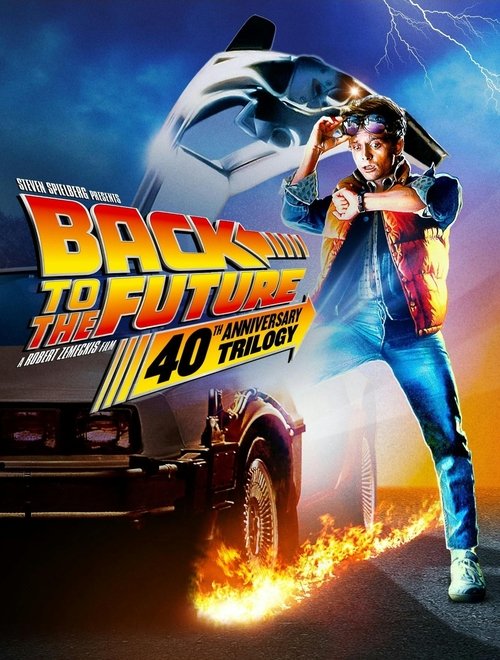
Untold Stories of Back to the Future
2025
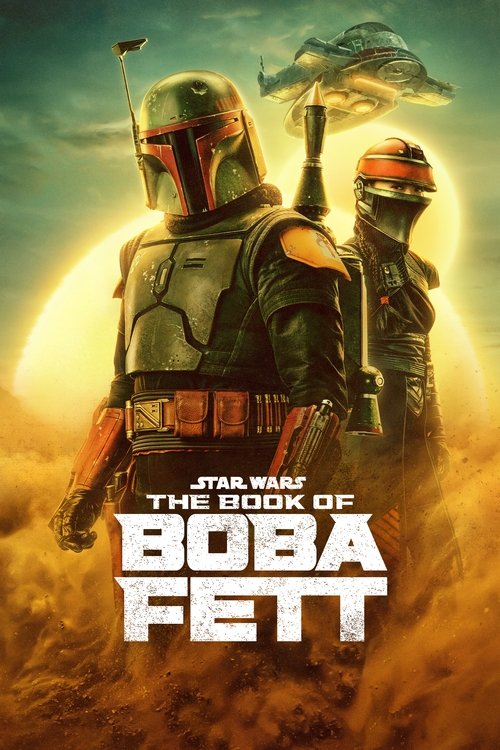
The Book of Boba Fett
2021

Clapboard Jungle: Surviving the Independent Film Business
2020
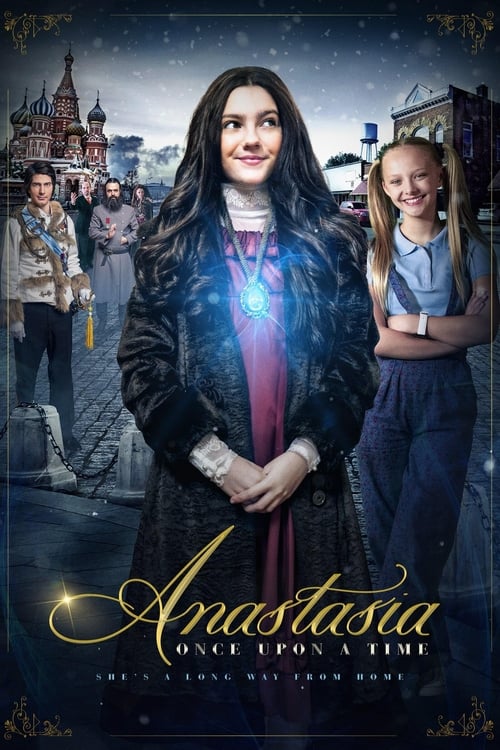
Anastasia: Once Upon a Time
2020
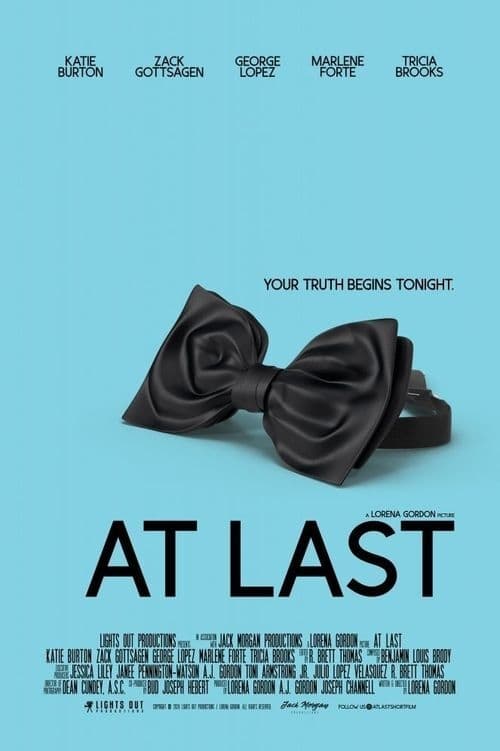
At Last
2020
1982: Hollywood Summer
2019
Class of '79: 40 Years of Rock 'N' Roll High School
2019
The Mandalorian
2019

Dreams and Memories of Where the Red Fern Grows
2018
Purgatory: Entering John Carpenter's 'Escape From New York'
2018
Eli Roth's History of Horror
2018
Retribution: Uncovering John Carpenter's 'The Fog'
2018

Home Again
2017

Slamma Jamma
2017
Diablo
2016

Stripped
2016
Tides and Nightmares
2016
Back in Time
2015
Doc Brown Saves the World
2015
The Girl in the Photographs
2015

Walking with the Enemy
2014
Freedom
2014
Filming Locations
Los Angeles
United States
Productions
Primary career base and studio location.
Editorial & Reference
Dean Cundey: The Cinematographer Who Defined Halloween and Jurassic Park
Dean Cundey functions as the bridge between two distinct worlds of filmmaking. He understands the grit of 1970s independent cinema and the polish of the multi-billion dollar franchise. While directors get the credit for the story, Cundey is the one who figured out how to make a dinosaur look like it was standing in a real rainstorm. He is a technical philosopher who treats light as a character rather than a utility.
His work on The Thing remains a masterclass in psychological lighting. He used subtle glints in the eyes to signal humanity or the lack thereof. This level of detail is why his films endure. He does not just capture images; he constructs environments that feel tactile and dangerous. A student of his work notices that he rarely uses light for the sake of beauty alone; it is always used to direct the narrative flow. He is the ultimate problem solver for the biggest challenges in cinematic history.
The blue moonlight cutting through an Illinois suburb in 1978 changed the visual language of fear forever. This specific aesthetic was not an accident but the result of a precise technical strategy designed to make the ordinary feel dangerous. By using high-contrast lighting and the then-new Panaglide system, the camera became a character itself. This approach allowed the audience to see through the eyes of a killer without losing the cinematic beauty of the frame. It established a standard for the horror genre that persists today. Fans of the slasher era still look to this work as the gold standard for atmospheric storytelling.
His collaboration with John Carpenter produced a string of films that are now pillars of the convention circuit. From the claustrophobic Antarctic research station in The Thing to the rain-slicked streets of New York, the lighting was the primary tool for building suspense. Fans identify with this work because it feels tactile and grounded despite the fantastic elements on screen. At conventions, audiences often ask about the specific light placement used to create the gleam in a character’s eye. This level of detail shows that the fandom for this work is as much about the craft as it is about the story.
Beyond the world of horror, the career moved into the heart of the Hollywood blockbuster. Working with Robert Zemeckis and Steven Spielberg required a shift in technique to accommodate complex visual effects. In the Back to the Future trilogy, the lighting had to remain consistent across different time periods while hiding the seams of early split-screen technology. For Jurassic Park, the challenge was even greater. The lighting had to make the first major digital creatures feel like they were sharing the same air as the human actors. He proved that a cinematographer could be a visual effects pioneer without losing the soul of the image.
Promoters find that this talent appeals to several distinct groups of attendees. The horror community shows up for his association with Michael Myers and the Carpenter legacy. The sci-fi and adventure fans arrive to discuss the technical secrets of the Delorean and the T-Rex. There is also a significant professional audience of aspiring filmmakers and photographers who see him as a mentor figure. These groups are willing to wait in line for hours to have a poster or a camera lens signed. The live encounter is valued because it provides a direct link to the golden age of practical effects.
Recent work on The Mandalorian has introduced these classic techniques to a new generation of Star Wars fans. By applying traditional lighting principles to a digital LED volume, the series achieved a cinematic look that felt like the original trilogy. This project demonstrated that his skills are not tied to a specific era but are universal to the medium. It created a reason for younger fans to explore his older credits. Streaming platforms have made his entire catalog accessible, ensuring that his influence is constantly being rediscovered by new audiences.
Publicly confirmed stories about his time on set often focus on his role as a problem solver. He is known for finding ways to achieve high-concept looks on tight schedules. This reputation for discipline and ingenuity is a core part of his professional identity. It is also a topic of great interest during convention Q&A sessions. Fans want to know how the famous shots were achieved with the limited technology of the time. His ability to explain these concepts in an accessible way makes him a standout guest for programming directors.
Meeting this person in a convention setting offers an education in the history of cinema. He provides factual accounts of the transition from film to digital and from practical to virtual production. For a promoter, he represents a high-value booking that brings prestige and technical authority to an event. He is an essential figure for any celebration of 1980s or 1990s film history. His presence ensures a high level of engagement from serious film enthusiasts and casual fans alike.
Frequently Asked
6 questions answered
Related Talent
Matched by Connie across fandoms, genres & era