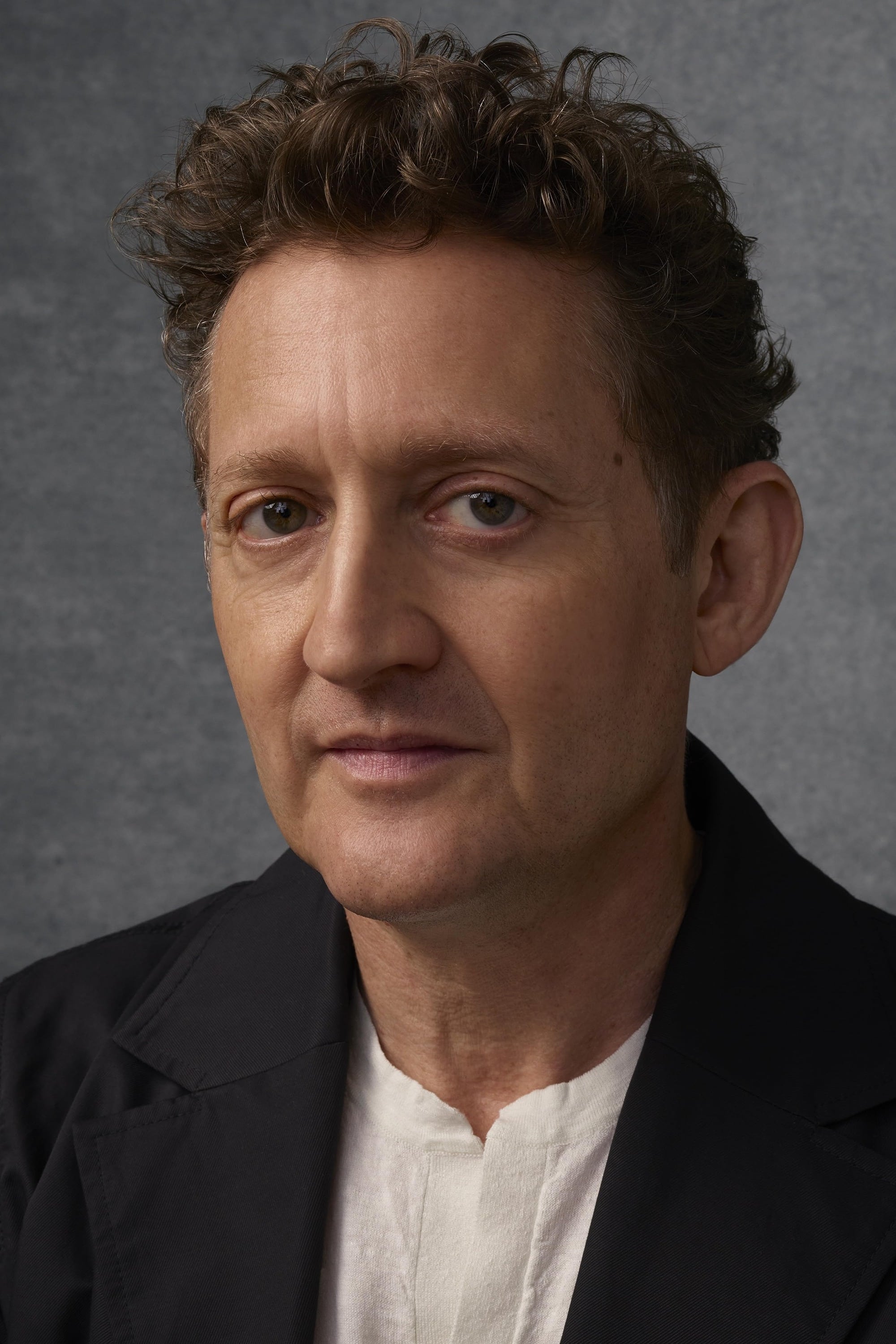

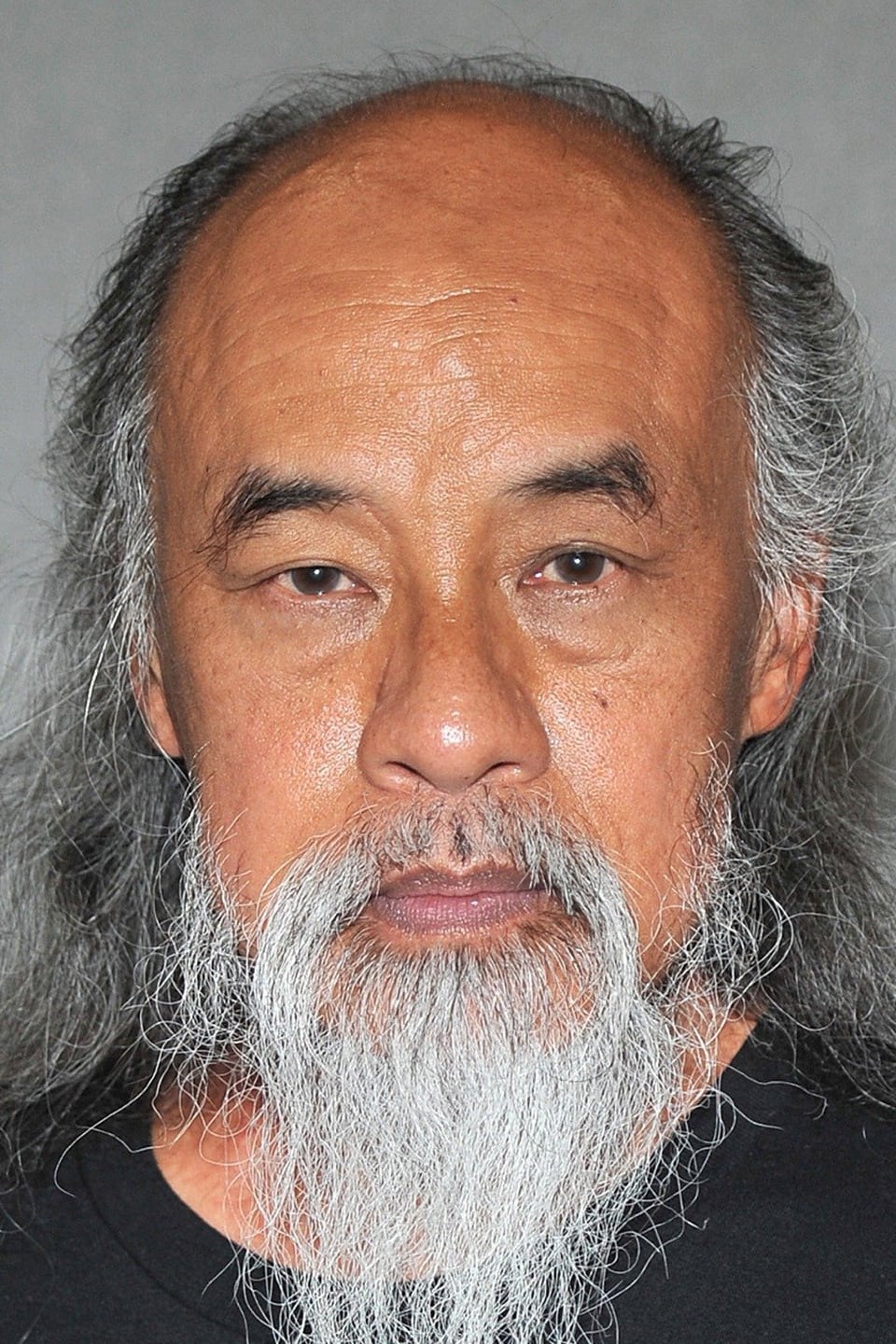
Al
Leong
Cult Action Icon & Martial Arts Specialist
Current Studio
Warner Bros. Pictures
Primary Discipline
Actor & Stunt Coordinator
Region
North America
Status
Martial Arts History Museum Hall of Fame Inductee
This talent's management hasn't yet listed on Taleventry. Use the contact button to reach them directly, or register your agency to claim this profile.
Booking Intelligence
Die Hard (1988) is currently streaming on Hulu and Disney+, maintaining his status as a recognizable face for audiences during the annual holiday rewatch season.
Known For
Uli
Die Hard
The specific moment he steals a candy bar during the heist humanized the villainy for fans, creating a lasting identification with his character that drives constant requests for chocolate bar signings at conventions.
Endo
Lethal Weapon
His cold, methodical performance during the torture scene provided a genuine sense of danger for Mel Gibson's character, earning him a reputation for physical intensity that fans still celebrate through rewatch culture.
Wing Kong Hatchet Man
Big Trouble in Little China
The film's massive cult following celebrates his athletic combat skills and iconic look, leading to dedicated cosplay groups who seek him out for insights into the film's complex fight choreography.
Genghis Khan
Bill & Ted's Excellent Adventure
This role showcased his comedic timing alongside his physical presence, attracting a cross-generational audience that values his contribution to the film's surrealist humor and iconic historical character group.
Why Book Al Leong
The 80s action fandom is a high-volume convention audience that specifically seeks out the 'face' of their favorite cult classics. Fans show up in person to hear the behind-the-scenes stories of legendary stunts and to get their memorabilia—often candy bars—signed by a genre icon. The 40th anniversary of Big Trouble in Little China in 2026 makes him a primary target for legacy panels and cast reunions.
Convention Experience
Fan Engagement
Al Leong is widely reported by fans to be gracious and humble at conventions, often taking the time to discuss his martial arts background and specific stunt sequences.
Al — Biography
Al Leong is the definitive face of the 1980s and 1990s action henchman. Known for his signature Fu Manchu mustache and long hair, he transitioned from a martial arts champion to a Hollywood staple. He built a career by providing a credible physical threat to the era's biggest stars. He has shared the screen with Mel Gibson, Bruce Willis, and Kurt Russell in some of the most celebrated films in the genre. His work transcends simple stunt performance through a unique screen presence that humanized minor antagonists. Whether he was eating a candy bar during a heist or wielding a hatchet, he made…
Community Verdict
Seen Al Leong Live?
Rate the guest experience from 1 to 10. If you leave a comment, it can appear publicly in the User Feedback section.
Scores stay hidden until at least 3 ratings are submitted.
Checking sign-in status...
Career Acts & Milestones
1980–1985
The Network Era
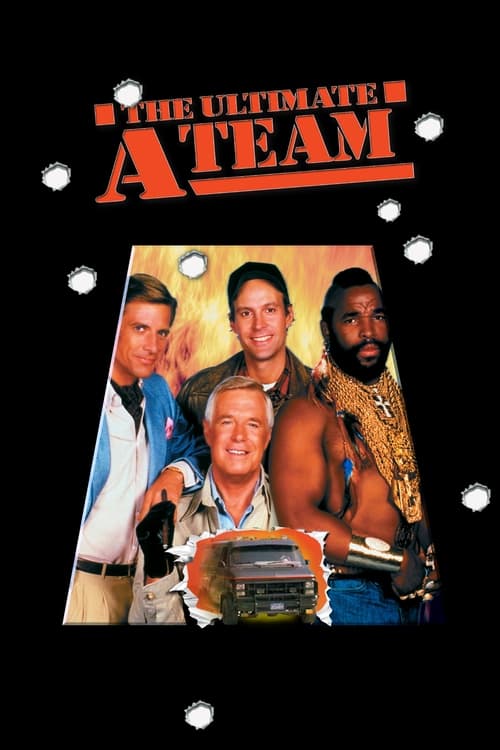
Leong builds his reputation as a reliable physical performer in the episodic television boom. He takes on numerous roles in shows like The A-Team and Knight Rider, proving his versatility in high-speed production environments. These early years establish the work ethic that would soon lead to major film casting.
1986–1992
The Blockbuster Peak
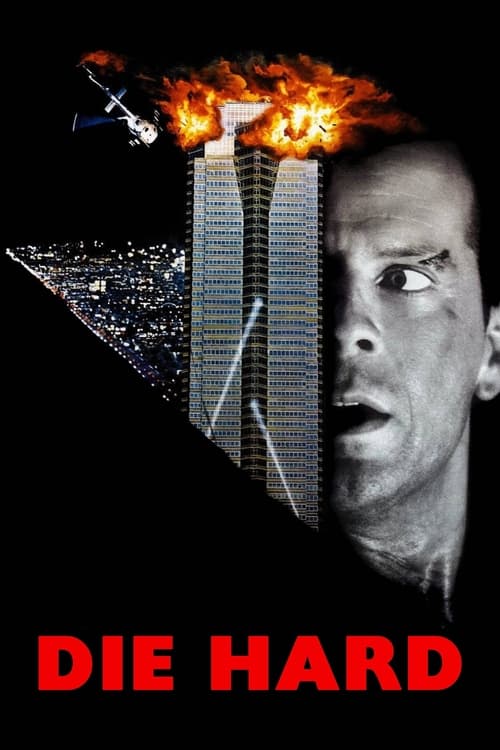
This period marks his transition into cinema history with a string of definitive genre roles. He moves from Big Trouble in Little China to Die Hard and Lethal Weapon in rapid succession. During these years, he defines the visual language of the modern Hollywood action henchman.
"In those days, you did your own stunts and you made the character yours."
1993–2005
Legacy and Transition
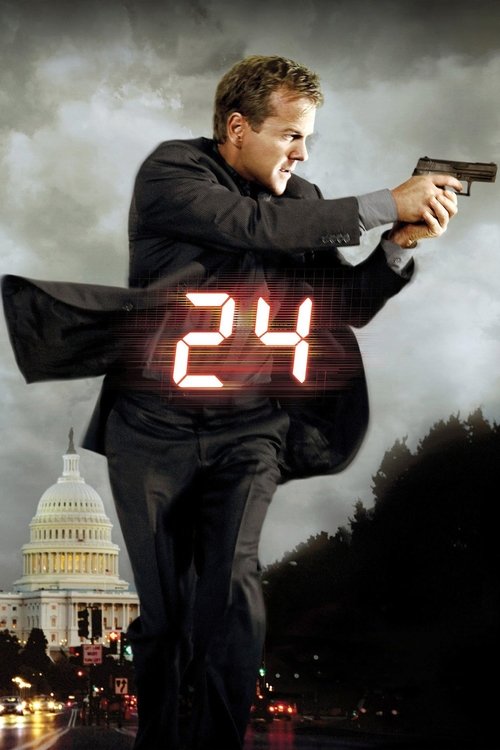
Leong expands his influence by taking on more stunt coordination and fight choreography responsibilities. He uses his decades of experience to mentor younger performers while still appearing in high-profile projects like 24 and Deadwood. He eventually steps back from the physical rigors of the industry to focus on his personal legacy.
Industry Recognition
Martial Arts History Museum Hall of Fame
Inductee
Lifetime Achievement
Craft & Expertise
Physical Storytelling
Leong creates memorable character moments through non-verbal actions and movement. His performance as Uli in Die Hard is studied for how a minor role can achieve immortality through small behavioral choices.
Martial Arts Choreography
He brings authentic Northern Shaolin Kung Fu techniques to high-octane Hollywood productions. His work on Rapid Fire and The Scorpion King set a high standard for on-screen hand-to-hand combat.
Villainous Archetypes
He mastered the 'Elite Henchman' role by balancing physical intensity with a cool, focused demeanor. This made him the preferred choice for directors like John Carpenter and Joel Silver.
Weapon Proficiency
Leong is highly skilled in a wide variety of traditional and modern weaponry. He demonstrated this expertise through his hatchet work in Big Trouble in Little China and electric torture scenes in Lethal Weapon.
The Registry
Total Credits
74
Career Span
1980-2020
Peak Decade
1990s
Peak Credits
30 titles
By Decade
By Role
By Genre
Highest rated credit: Deadwood (2004) — 8.1/10
Complete Filmography — Al
Time Flies When You Are Having Fun! A Look Back at a Most "Excellent Adventure"
2020
Death by Midnight
2020
In Search of the Last Action Heroes
2019
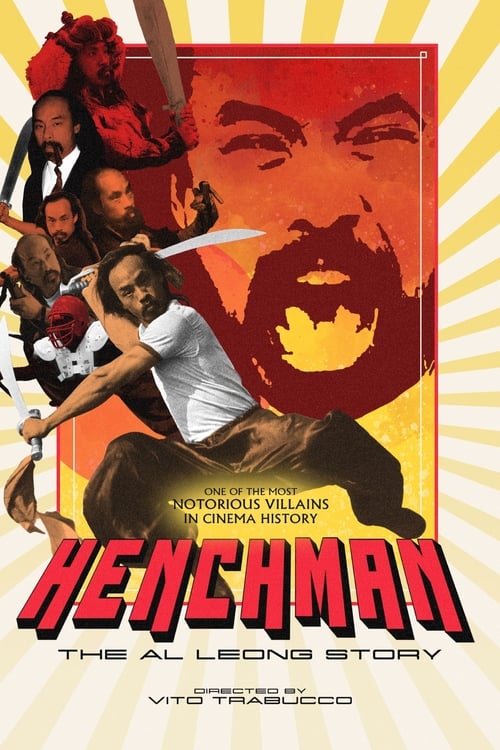
Henchman: The Al Leong Story
2018
Awesome Asian Bad Guys
2014
Confessions of an Action Star
2005
Hostage
2005
Los Angeles Plays Itself
2004
Deadwood
2004
Forbidden Warrior
2004
Daredevil
2003
The Scorpion King
2002
The Ghost
2001
24
2001
Ghosts of Mars
2001
Planet of the Apes
2001
Lethal Weapon 4
1998
Godzilla
1998
That '70s Show
1998
The Replacement Killers
1998
Escape from L.A.
1996
Mortal Kombat
1995
Double Dragon
1994
Deconstructing Sarah
1994
Filming Locations
Los Angeles
United States
Productions
Primary production base for most of his major studio work.
St. Louis
United States
Subject's reported home base and site of early martial arts training.
Vancouver
Canada
Productions
Regular hub for television stunt and acting roles.
Editorial & Reference
Al Leong: The Cult Action Icon Behind Uli in Die Hard and Endo in Lethal Weapon
The visual shorthand of the 1980s action film is incomplete without Al Leong. He is one of the few performers who achieved global recognition without the benefit of extensive dialogue. His presence functions as a seal of quality for action fans. If Leong is on screen, the audience knows they are watching a production that values physical craft and credible stakes.
He occupies a space in the industry that is rarely replicated today. He was not just a stuntman; he was a character actor who used his body as his primary instrument. His casting in John Carpenter films like Big Trouble in Little China and They Live highlights a recurring collaboration with directors who understood his specific brand of silent charisma. He remains the standard against which all modern 'genre henchmen' are measured.
The first thing fans remember about the takeover of Nakatomi Plaza is a man pausing to steal a chocolate bar. Al Leong played Uli in the 1988 film Die Hard, and that single improvised moment secured his place in cinema history. This specific detail defines the career of Albert Leong, an American actor best known for playing high-stakes henchmen in the most popular action films of the 1980s. While many performers in the genre relied on dialogue, Al Leong became a household face through physical presence and a signature look that filmmakers found indispensable.
His most recognizable work often involved providing a legitimate threat to the era's biggest leading men. Al Leong played Endo in Lethal Weapon in 1987, where he engaged in a memorable confrontation with Mel Gibson. He also appeared as a Wing Kong Hatchet Man in Big Trouble in Little China, which ran as a major theatrical release in 1986. These films relied on his genuine martial arts skills to ground the supernatural and high-octane sequences. Fans of these franchises often cite his inclusion as a hallmark of 1980s action authenticity. For the promoter, this means he carries a recognition factor that spans multiple billion-dollar IPs.
Beyond the blockbuster highlights, the wider career of Al Leong is a study in professional longevity and craft. He worked extensively in television during the 1980s on shows like The A-Team and MacGyver. He often moved between acting and stunt work, contributing his expertise to films like They Live and Showdown in Little Tokyo. He even made a memorable comedic turn as Genghis Khan in Bill & Ted's Excellent Adventure in 1989. This range allowed him to work with directors as varied as John Carpenter, Richard Donner, and Stephen Herek. This variety ensures his appeal reaches beyond just action fans into the sci-fi and comedy communities.
The fandom that surrounds Al Leong is characterized by a deep, collector-focused nostalgia. Convention attendees often bring specific props, such as Crunch bars for Die Hard or hatchets for Big Trouble in Little China, for him to sign. He is a primary draw for '80s and '90s nostalgia events because he represents the 'Where's Waldo' of the action genre. Fans who ask whether Al Leong still attends conventions will find him appearing at major events like For The Love Of Sci-Fi. These appearances often feature high engagement for photo ops where fans want to replicate his iconic fighting stances.
Today, the work of Al Leong remains highly visible through global streaming platforms. Die Hard is a perennial holiday favorite on Hulu and Disney+, ensuring his face remains current for new generations of viewers. The question of what Al Leong has done since his peak acting years is answered by his 2014 induction into the Martial Arts History Museum Hall of Fame. He is recognized not just as a movie performer, but as a legitimate practitioner who helped popularize Chinese martial arts in Western cinema. This dual status as an athlete and an actor provides a unique marketing angle for event promoters.
In a live encounter, Al Leong offers a perspective on a lost era of Hollywood filmmaking where physical stunts were done without CGI assistance. He provides a direct link to the production of the most successful action movies ever made. Meeting him allows fans to connect with the human element behind the 'faceless' henchmen they have watched for decades. For a convention promoter, booking Al Leong is about securing a piece of cinematic history that remains deeply resonant with the core genre audience.
Frequently Asked
6 questions answered
Related Talent
Matched by Connie across fandoms, genres & era